

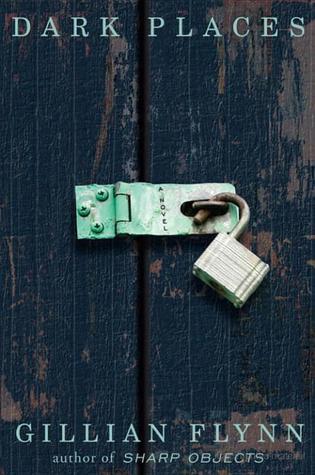
This is indistinguishable from a Joyce Carol Oates novel.
I preferred the novel Sharp Objects. My digestion disagrees with the uninspired titles.
While there is a plot, it is soon mired by loads of internal monologue. In the Stephen King tradition, the characters, setting and backstories feel over-explained to me. There is a discernible voice, but the pacing suffers.
I sum it up with: Messed-up characters doing selfish things. They whine and criticize one another. The interior monologues are long and fatalistic. The book’s main operating force. The tone is intimate to the point of including embarrassing and scatological details. I question whether the reader needs to know half of the info dumped on the page. Many contemporary novels share in this tendency.
Darkness pervades small town America. This concept was used for countless thrillers I’ve encountered. It’s almost a given. Darkness underlies family relations. Families have dark secrets.
Teenagers do reprehensible things. Adults do dark and depressing things with their wasted lives. People abuse one another in every conceivable way. People manipulate one another for attention. The media feeds this tendency. I glean nothing new from these observations. This book is ultimately forgettable because of the clichés.
The characters act like Jerry Springer guests. Someone enamored with train wrecks or who was riveted by reality TV from the 90s might enjoy the melodrama.
The mystery was more about assigned blame and community perception.
I could go on listing all of the things I disliked about it. Suffice it to say it depends on the reader. I would direct people to Joyce Carol Oates instead, but many people enjoy this, which is fine.
I can’t fault the icy sentences or the crude, berating voice. The author is brutal, unfiltered, etc. In the end it’s entertaining for its grotesque view of human nature. There seems to be a need for contemporary novels to push edginess to its physical limits.


Leave a Reply