

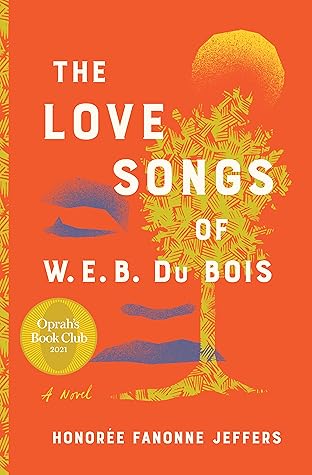
This reads like Joyce Carol Oates.
I enjoyed the book’s tension, character arcs, themes, and social commentary. Most of it seemed controlled deliberate, and sufficiently emotional.
There is a suspiciously high proportion of characters who have been molested, are molesting, or are being molested within the pages.
It tackles questions of feminist and African American struggles, and includes a large variety of scenes explicating the themes of love, respect, family, cultural heritage, American racism, Southern attitudes toward race, historical foibles, etc. But I have seen versions of these scenes in other books and films. This is well-trod ground. The glass ceilings, the depictions of drug use, another form of slavery, of unrealistic expectations put upon characters. It’s about choosing a course in life and not letting the past weigh us down, but rather, using it as fuel to propel us forward. We easily cheer when the heroine succeeds and despair when she falls.
It is long, but not convoluted. The story of a woman studying her roots to discover who she is.
According to the author, ten years of research into antebellum history led to this novel. She read the writings of W. E. B. Dubois several times. I have not perused that author yet. But helpful background context was provided.
The work alternates between the distant past and the 80s. We see many connecting threads. The strong emotional core of the novel is the result of the well-sustained trials of its flawed characters.
The protagonist begins interviewing people from her community as well, hearing as many sides of historical accounts as she can.
The chapters are punctuated by the wise words of De Bois and the characters discuss and debate on his merits and demerits within the book.
Oprah’s backlog contains quite a few similar books to this, so I was not surprised to find her sticker on the front. However, the abuse, rape and psychological trauma depicted seemed justified, though some might find it excessive. Some may not be prepared for it. Whenever I pick up a book by Joyce Carol Oates, I expect a certain amount of abuse in its pages. Roughly 80% of the book usually. I won’t say that ration hold here, but it’s definitely up there.
Yet, there is light to be found in the novel, many rejoicings. Such phases are often overshadowed by the darkness of human nature. Truth sit close to the surface and the reader doesn’t have to dig to find meat in the plot. Nothing is veiled. Politeness has no place here.
We get a stark contrast between characters, dichotomies. Colors, histories, languages, backgrounds, opportunities, privileges, classes, and hopes. The riotous youths are cast against the worn, tired, conservative, loving, supportive elders. Whenever our main character is betrayed, she falls back on friends and family who are there to catch her.
This depiction of community is both touching and harrowing. The roller coaster ride has a lot of sudden drops but it finally smooths out toward the end, with fewer bumps in the track, as Ailey has grown out of some of the hardships she’s inherited and the pitfalls she’s fallen into. She finally starts believing the people in her life who tell her she is brilliant, that she has worth.
We all would do well to remember that the haters are always barking at our doors. There is no need to feed them. Engage with them carefully.
The prose is functional, and well-honed dialect adds layers of authenticity.


Leave a comment