
Too many, if not nearly all, contemporary novels seem to operate solely through wish fulfillment, or seem to be scarcely veiled fan fiction, or retreads of a familiar and ‘safe’ plot.
Attempts are usually made to avoid difficult twists or scenes which might make some readers feel ‘triggered’ or merely uncomfortable. How else can we explain all of the cozy cat cafe books, the time travel while in a coffeeshop premises, the vanilla productions of writers who underestimate the capacity of the audience to feel intense stakes or any stakes at all, who refuse to challenge the popular beliefs of the day, or undercut a current trend? Hollywood continues to normalize recycled content. AI begins to write more than humans.
The exceptions appear to be ones which are exceedingly hilarious, or which manage to construct a convincing world of their own. Sorokin’s books seem to check both those boxes in my opinion. He does so without the present-day cop out of limiting his sneering disdain toward one specifically unpopular group.
In Soviet Russia, prostitute pay you. In high school, everyone went around saying that. Reading Sorokin’s work, I got the sense he understood this cliche, and perhaps he has built a career on the backwardness of his home country. Yet, we see that not all aspects of this country, this version of Russia are corrupt. Many interesting values persist. We are able to recognize terribleness without condoning it. One way in which he honors his homelands is by referencing how much it has contributed to world literature, but Sorokin coddles no sacred bovines. Like Gogol before him, he works in the absurdism to castigate actual policies and people that truly baffle someone trying to live a reasonable life.
Sorokin’s coruscating satires are full of characters who are abysmally evil, revoltingly insane, catastrophically perverted, rather Soviet in temperament, and unequivocally unique— very Gogolian but unfiltered. I would argue pre-contemporary.
When is the last time you read a book released in the last 20 years with an irredeemable character in it? What about one who enjoys beating people, not in a kinky way, but for the fun of it, women included? And yet, you won’t find warnings at the beginning of the book.
All of this is to say that the book is refreshing because it doesn’t care if you’re disturbed. It is also not for everybody. It was written for people who can see truth at a slant, who will not dismiss one or even two layers of subtext.
Offensive to some, but always entertaining, the writing may be uneven at times, but it is always designedly so. The scenes are effective at depicting realistic-seeming characters, quirky dialogue, all to illuminate various components of history and reality.
In one characters devour carrion and extolling its virtues as quality meat. All while discussing poetry. Cannibalism is not the baseline in the book, but it’s an acquired taste many indulge in. Necessity doesn’t breed contempt in Sorokinland, but rather, twisted love.
The novel’s form is metamorphic, shifting from drama with stage directions to stream of consciousness. Plenty of dialogue to keep things moving, cut through with breathless descriptions. Mostly shaming people, or highlighting their miserable, yet touching and human existences.
Sorokin might be insensitive to certain reader’s tastes and feelings, but he has feelings of his own, which he wishes to express in revelrous and riotous fiction.
Other contemporary fiction, often styled and advertised as literary, seems to function as a means of aesthetic expression expanding into spaces and depicting so-called realistic people. I find that many of these productions merely seek to value signal or validate the author’s standpoint. The story, characters, plot, scenes, dialogue, etc. can come off as vacuous of moral content, but well-adorned with fine phrasing, cloaked in robes of rhetoric. These skeletal works merely hint at meaning, have no definite structure, and one might assert, no ultimate purpose. Even Theme goes out the window, while they use the medium of a cobbled together novel to explore current issues or reach after some ineffable ideal of abstract poetry. They are consummately unmemorable and cannot even be construed as series of vignettes containing believable characters. Language itself is the subject. These works do not balance storytelling with aesthetic concerns. They are bereft of the original purpose of language. Storytelling dies on these vapid pedestals.
Luckily, Sorokin does not reside in their camp, since he succeeds at communicating truths at a slant.
The descriptions are wonderful and grotesque. The dialogue often too literary to be believable, but emphasizes the amusing over the realistic. Sometimes, he goes off the rails, includes too many archaic words, and simply clunks along, gathering up nonsense out of his scatterbrained characters minds, vomiting them across pages. Overall though, the pointed discussions give context. Here, the world building is never dumped, but sprinkled.
Vivid lists aid in the reader’s apprehension of the contents of his world.
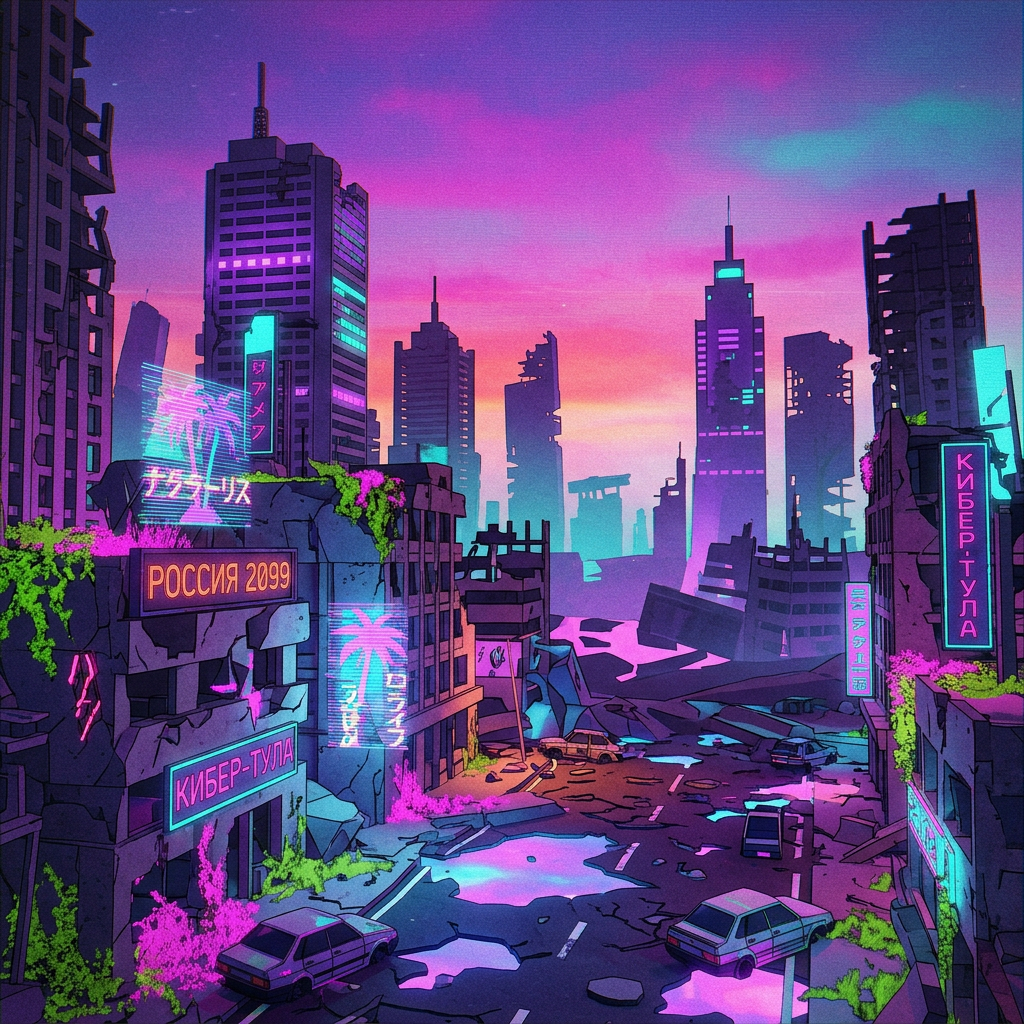
Dystopian science fiction elements are everywhere. People carry around devices called Smartypantses, which can be stretched over a pillow to snuggle with, or worn like a hat. And holograms pop up whenever someone needs to demonstrate something.
Zoomorphs practice questionable pastimes. Why do these pseudohumans exist? How did they come to be? It seems rather, that these symbols function not as world-building elements in every case, but as symbols meant to exaggerate aspects of human foolishness.
Oppression, starvation, struggle, and bureaucracy are all rampant.
At bottom, this is a farce. Some of it is worthy of Rabelais. But it has a distinctive flavor.
One finds traces of common experience: passport struggles – mixed in with tropey devices: smuggling stuff in body cavities,—to uncontestable weirdness: self-administered psychedelic lobotomies. Women with “wooly legs,” the inescapable military presence, living furs that warm you and keep growing, sloughs of advertisements, propaganda, rants. It is never exhausting and never predictable.
The USSR stands for ultra Stalinist soviet republic. Vehicles are powered by potatoes. And much much much more. When he had an idea, he rolled with it. For that, and for his great themes, I will continue to read Sorokin.


Leave a Reply