
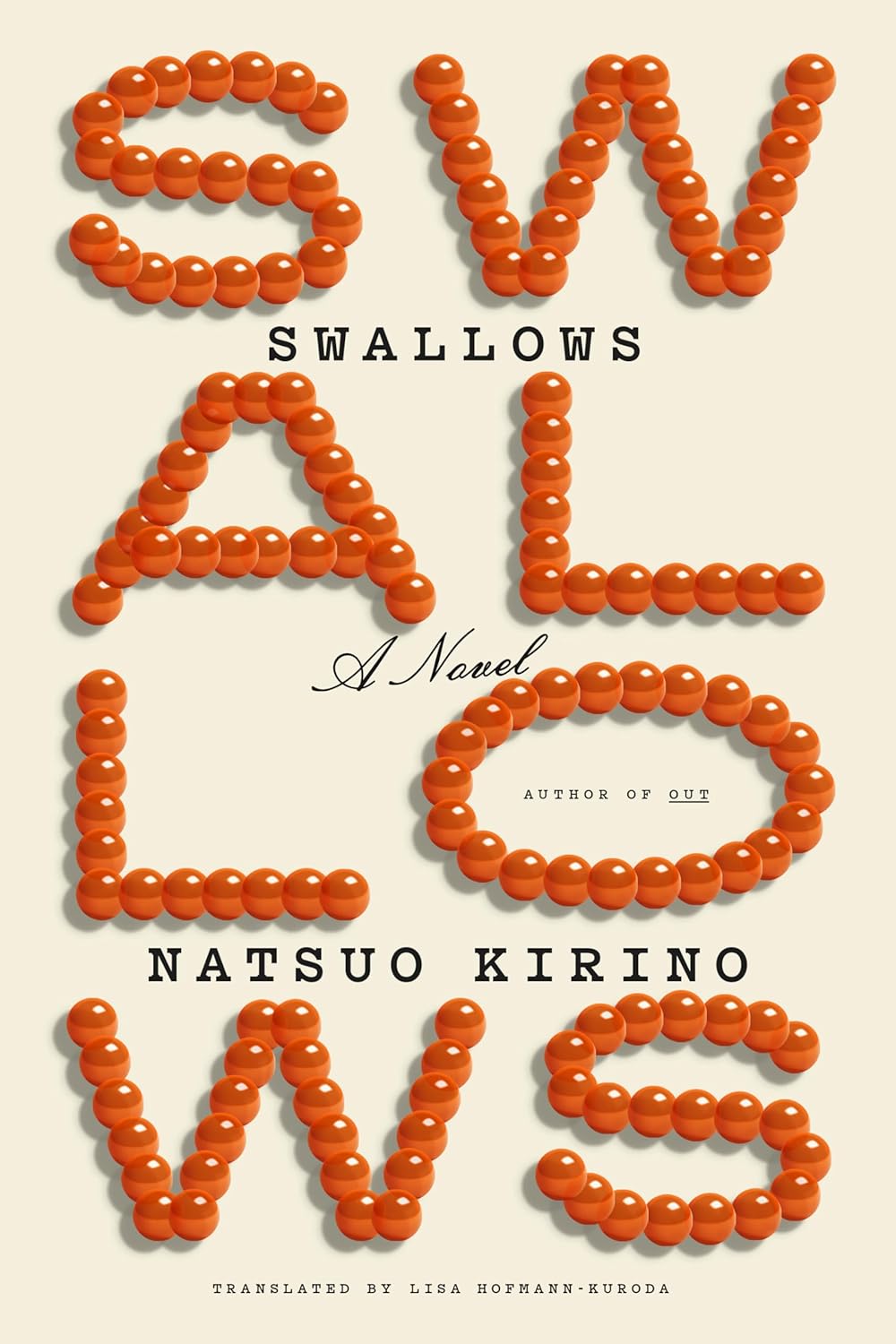
I am a fan of Kirino’s Out. Her other books haven’t provided me readerly satisfaction.
This one is about surrogate motherhood. The themes range from phallic artistic representations in early Japanese art history to the ethics behind prenatal arrangements between donors and parents.
It is a very similar book to Mieko Kawakami’s Breasts and Eggs. Both seek to represent men and women in stereotypical roles, so that the would-be mothers can resist the current of societal expectations. There is a lot of sharp dialogue in Kawakami’s offering, but Kirino’s falters on this front.
The long sections of dialogue seem inserted to drive home the themes and artificially advance the plot. There is little-to-no narration and the interior monologue is heavily laden.
Various repetitions could’ve been cut out, specifically where characters explain to other characters what the reader already knows.
In the fashion of trendy Japanese fiction currently making its way into English, the book is a quick read. It challenges through its social references and satirical situations, rather than through its language.
The reason Kirino’s other book, Out, worked better was because it was unputdownable. The themes were subservient to the plot, not the other way around.
I would recommend this one if you’re interested in a light read about troubled characters undergoing a controversial procedure. IVF and its corollaries seem like a hot topic, and the way it is represented seems as forced as the abrasive dialogue. Mainly, when dealing with artist characters, who explain the symbolism in their artwork, it is hard not to sound hyperbolic, especially with the hypersexualized confidante in this novel, who counters the more traditional views of those around her.
As a companion piece to Kawakami’s longer book, this one feels more constrained to its timeline, logging the business transaction and ensuing pregnancy. The main character acts selfishly, violating the terms of her agreement, but she feels justified since, as a woman, she must carry the unequal burden of the pregnancy as opposed to the man’s role as provider, seed, and decision-maker, historically speaking.
Riki fulfils the trope of the starving wage slave who turns her body into a source of income and therefore security. This is a callback to typical geisha novel plots.
I recently watched the film Good Fortune, about a gig economy worker and a tech bro who switch lives. That gave a more nuanced portrayal of economic disparities.
The plot is further complicated by the differences within Japanese and Anglophone countries regarding IVF procedures.
Her “therapist” and the male who hires the agency that provides her windfall are both unbelievable in their behavior and the convenience of what they provide.
While it was informative on a few fronts, the novel ultimately cannot provide a convincing portrayal of character growth. The conflict here comes from societal norms clashing with Riki’s best interests. Kirino advocates women’s liberation, but I thought she did a better job when she allowed her main character to murder men, instead of just trash talk them.


 L. S. Popovich
Leave a comment