
Can you turn a terrible life into high art?
Dazai’s life was astoundingly reprehensible. Attempting three love suicides, succeeding at one, and attempting at least 3 other suicides. Combined with addiction, mental illness, alcoholism, infidelity, multiple marriages and illegitimate children, supporting prostitutes, engaging in public violence and insults, following illegal Communism in a war-torn developing country, at every turn pursuing vanity, vindictiveness, envy, disgust for the morality and the constriction of societal demands, embodying the wastrel, flinging his rich family’s good name in the mud, spending time in prison and mental hospitals, getting bombed out of his house during the air raids, losing most of his family to illness, and lying on his death bed for months, only to miraculously recover, but become hopelessly addicted to the painkillers he was prescribed. Subsisting for his entire short life on his family’s allowance. The continual laughingstock to every person he met. Trying always to escape his life in order to write. Incinerating his life blood and relationships as fuel for his writings.
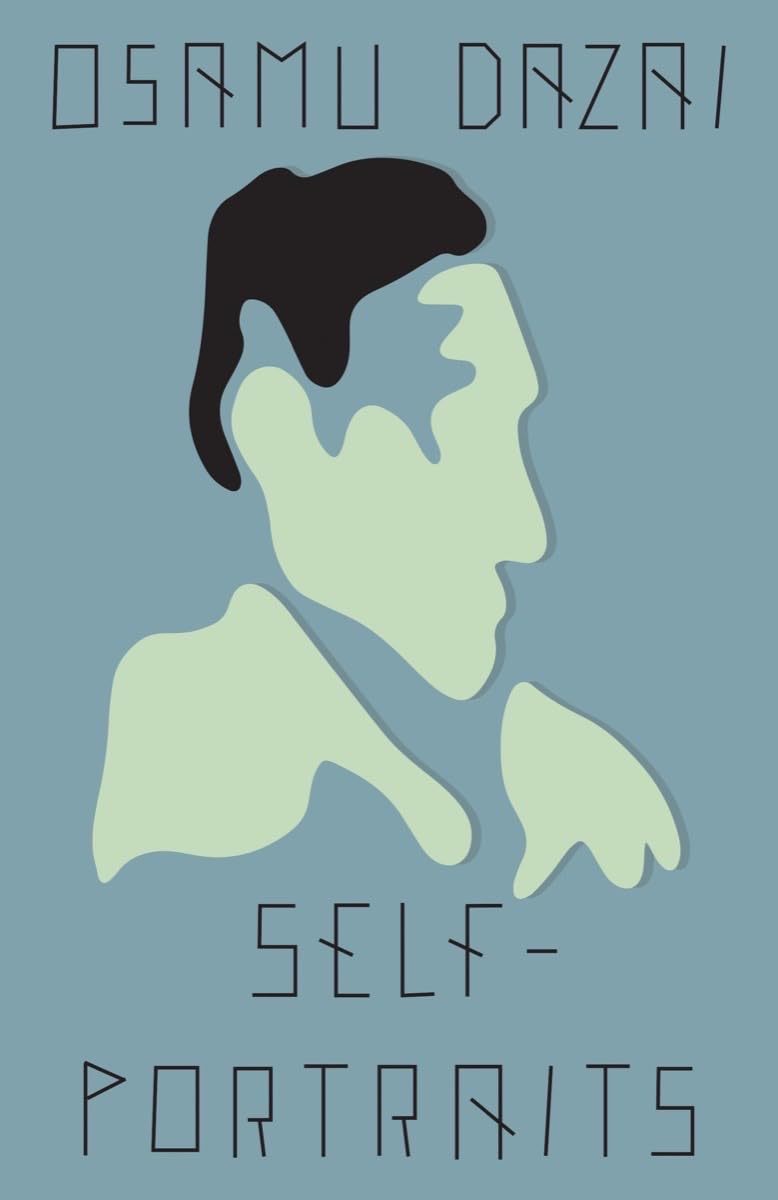
This reissued volume recollects his most autobiographical writings. His personae are all identical here. He never hides his flaws but lays them out and analyzes them coldly. His behavior and writing was unacceptable to most of the literati of his time. But a few people believed in him and even championed his work. He wallowed in obscurity and infamy for 38 years, publishing a string of short stories which provided him with drinking money. With the publication of Setting Sun, his horrible reputation grew to popularity before he departed from this world by leaping into the river with one of his mistresses.
This volume is full of beautifully rendered accounts of abject dissipation and parables of regret and self-sabotage.
Canis Familiaris is one of his most interesting stories, showcasing his contempt for a luckless cur who attaches itself to him. It displays how he projects his self-hatred onto others, how his disgust for the lowly mirrors his inner disgust. One can detect glimmers of hope around every corner, and find charm in his superabundant cynicism.
He idolized Akutagawa, and might have imitated that great author in some respects. But Dazai carves out his own bizarre method of self-deprecating fiction, descending into the depths of his own depravity to unearth peculiar beauties of the moment, as in one story he falls in love with a child-like girl while in a mixed gender hot springs, after openly ogling her body while sitting next to his wife. His sheer unabashed lechery is relished like divine revelation.
While he may come off as a despicable character, his profligate ways can be enchanting, like the other human train wrecks one finds in literary fiction. But it is easy to relate to his low moments and his breathless energy when he speaks of his love for his art. It is apparent in his careful attention to details of everyday life, where he seems to weigh a human life as no more valuable than a loaf of bread. Though given every advantage from childhood, where he grew up as part of a rich family, he was utterly destitute at all times since he could not hold onto a penny. Instead of paying off his debts he wrote to feed his addictions.
These stories are his transparent search for meaning. Perhaps the most striking lines in the volume come at the end of “Thinking of Zenzo:”
“God exists. Surely He Exists. Green pastures are where you find them. Behold the fruits of nonresistance. I considered myself a fortunate man. They say to experience sorrow at any price. That the blue sky is most beautiful when seen through a prison cell window. And so on. I gave thanks. And for a moment, this thought flashed through my mind: As long as these roses are living, I am king of my own heart.”
In this story he is swindled by someone who sells him rose bushes. But he finds out years later they were of the highest quality variety, and his years of nurturing them ended up blessing him in more ways than one. Yet he only cultivated them out of spite, to get something for the money he had spent. He pours his careful attention out on something he deems unworthy, seeking after an eternal beauty. The roses are a metaphor for his writing.
Dazai is always readable, full of emotion and a perfect study of a brand of human being we may all come to know at some point in our lives. There is no need to condemn him when he has already condemned himself.
 L. S. Popovich
Leave a comment