
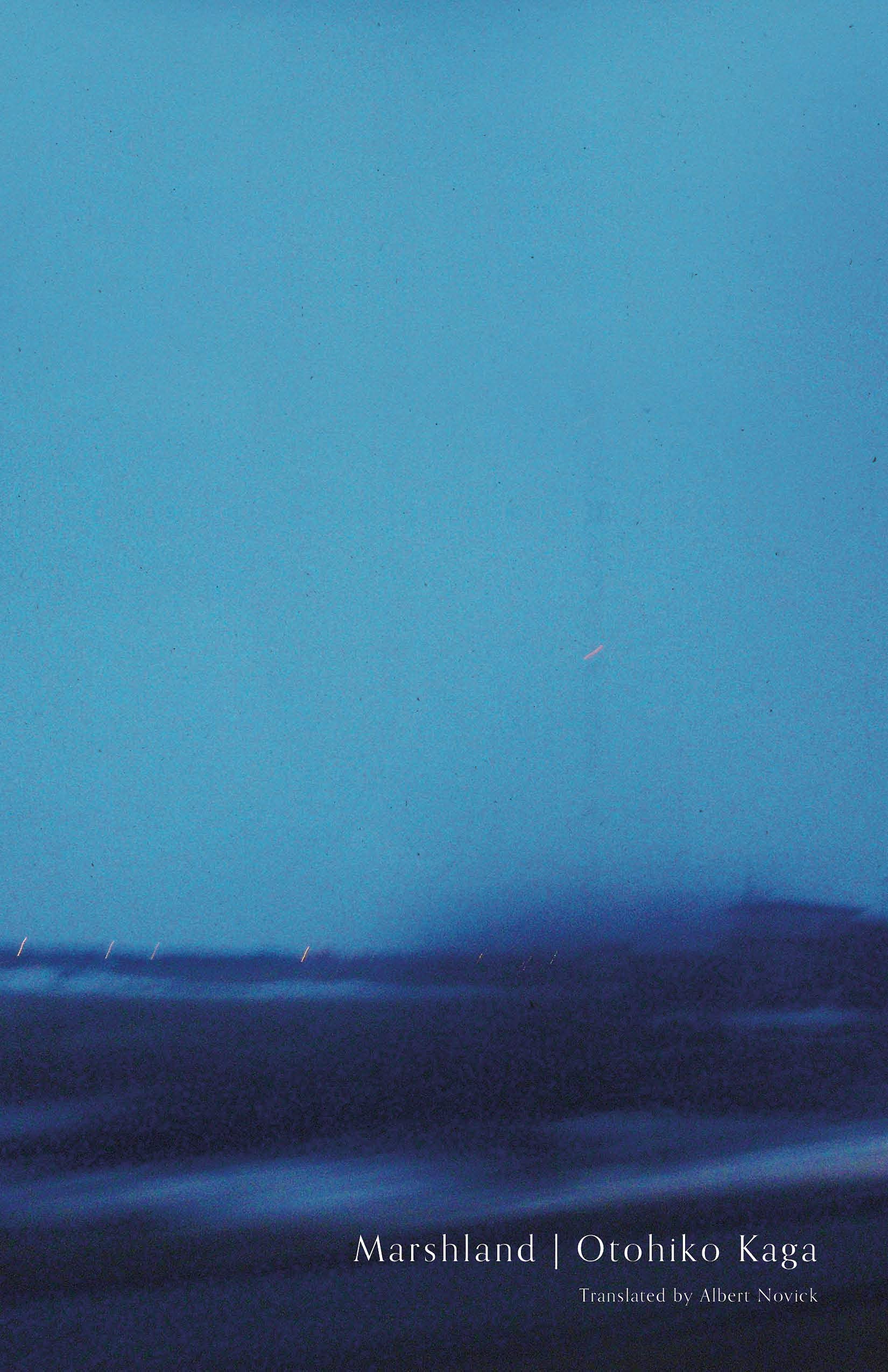
I waited with trembling breath for over a year as the publication was delayed.
Since I’m always on the lookout for new translations of Japanese literature, I often poke around Dalkey’s offerings.
This is a historical novel in which a former convict going straight gives keen observations, exercises patience in his dealings, works as a mechanic, acts as a mentor for his troubled nephew, and generally goes with the flow in the wake of tempestuous events in his nation.
At times he is in prison, on the streets, in prison, in the army, in army prison, in the wilderness, and helping his devastated family after an air raid. You might call him a coward, a laze-about, gadabout, a writer, an uncommitted Christian, lucky in love, damned in life. A model convict and deplorable soldier. The best foreman at his company, and an inept revolutionary. A glorious lover, but an apathetic boyfriend. Atsuo is many things throughout the novel, which covers his adult life in persnickety detail.
With an enjoyable narrative pace, the changeable perspective gives us insight into a limited cast. The translation is unfortunately marred by textual typos every couple pages, which accumulate into several hundred by the end of the book. Ergo, it could’ve used another proofread.
Resisting the urge to succumb to group think, the main character struggles for a place in society in the context of student riots, when radical sects rampage through the streets, acting out homegrown terrorism at once ill-defined and applicable to some examples from other countries. The push for an idealistic nationalism underscores certain events in the novel. But the protagonist is largely self-motivated, trying to get by amid his peers’ temptations to rebel.
What he enjoys is hunting, fishing, smuggling, pick-pocketing, writing his memoirs, and working hard on vehicles.
The author delves into cultural details, pertinent industries, historical tidbits, the vicissitudes of military prison, figure skating, and technical legal details, displaying a wealth of knowledge and the fruit of research. Also discussed are instances of sanity and insanity, conformity, the atrocities of war, and innocence and experience.
Our main perspective characters are haunted by the past, and hobbled by the dearth of prospects in their future.
The very long section of police procedurals, introduce many shifting views on the central case, which was based on actual terrorist activities of the time. The author skillfully toys with the reader’s sympathies, but the repetitions border on the tedious. He excels at descriptions of nature, in the parts taking place in the Hokkaido wilderness, along with the depiction of a simple life unromanticized, and the lovely intimacy between Atsuo and Wakako. In long dialogues, unhurried and quaint, the reader is offered a rare indulgence of getting to know complex, multi-layered characters in a novel of questionable focus. These quiet moments lay bare the absurdities of human nature and interaction, the bureaucracy running the justice system in Japan, the cruel manipulations behind the media coverage, which many of us will instantly recognize as a byproduct of human nature. The moral seems to be, there are always at least two sides to every story. Think Rashomon.
Wakako’s story of failed maturation at the feet of a demanding and unreasonable society represents another agenda of the book. Not only is the author concerned with the unfair treatment of the accused, but also the plight of the mentally ill.
A deep criticism of Japanese cultural norms, an indictment of inhuman institutions, and the mechanics of the political machine lie at the novel’s core.
At bottom, most people are simply trying to survive. Where do we draw the line between fighting for a nebulous Greater good which impinges upon the rights of those living in the here and now?
Atsuo’s conversion to a shoddy manifestation of Christianity in prison could’ve been explored further – if there had been space in the narrative. Experimenting with creating explosives for the sheer physical thrill parallels the release Atsuo yearns for, from the shackles of societal roles, of the youthful indiscretions and outright crimes that dog him like a ball and chain. The forlorn feeling of watching other people ruin their lives with self-destructive tendencies pervades the novel. It’s rarely clear what the student protests are about. They can be taken for a general unrest within a rapidly changing nation.
The author was too reticent about naming sects, universities and other identifiable groups.
Japanese readers would probably instantly recognize the motives behind the attacks.
The journey of Wakako and Atsuo and the development of the their relationship saves the novel from being too impersonal. They ponder big questions, seek after a meditative and life-affirming way through the days. While not shirking the darker sides of humanity, the author is rather polite in his portrayal of human flaws. The plight of the working class is a worn subject, but we get fresh-feeling scenes here. The boundaries of societal norms, the barriers to education and employment are elaborated in scene after scene, often to the detriment of further incident. Idolization of war, the generation gaps between characters, and their efforts to gain peoples’ trust and find truer spiritual fulfillment might have filled some of those pages instead.
The reader will sense the caring nature lurking under Atsuo’s rough exterior, through his desire for a productive and impressive life.
Profuse notes give greater historical context for the events in the book and take up 45 pages at the back. An afterward or additional Introduction was warranted.
 L. S. Popovich
Leave a comment