

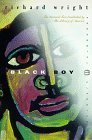
A harrowing memoir of a sensitive artist.
Having read most of Wright’s books by now, I wasn’t expecting to be blown over by this as I was.
Memoirs don’t often strike home for me, but this may be my favorite of the handful I’ve read.
A rounded picture of the author is presented here. He doesn’t shy away from his flaws. But growing up as he did in the Jim Crow South, his opinions began grounded in the subservient attitude forced upon him from infancy. Wright emerged from simple beginnings, knowing the back of his mother’s hand better than his own.
The first chapters are punctuated by abuse in the home. The domestic abuse here stemmed from forces he did not understand as a child. The outside forces crushing in and swallowing his family’s pride and independence, would later grind down his beleaguered resistance. He was more often hungry than fed. He describes his upbringing as “running wild.” It would be a long while before he gained his footing.
In school he was tormented, challenged. Merely walking outside to pick up groceries invited derision and a thorough beating.
How this state of affairs damaged his early development becomes clear later. At the time he knew nothing else, had no examples to the contrary. As children we must accept the world as it is presented to us, no matter how wrong our understanding is. The strength of our personality is forged in those fires, along with the trauma like cracks running through our personhood, so that for the remainder of life it is all we can do to clutch at the straining pieces. Only later, when we reach a fuller state of consciousness can we redefine our worldview.
Finding echoes of Outsider and Native Son within the uphill battle toward self-definition he faced. Wright’s determination to succeed, pitted against the prevailing current of his world, is moving. He stands no chance at the jobs he humbly accepts. His own interior blossoming, conjured through the few books he could get his hands on, separated him from his own people. He could not join in their simple acceptance of the situation, and their resigned nature because he possessed an unquenchable anger. Myriad ways of adapting and fighting back are displayed. Is it better to act docile, or like a clown, to become a yes man or a punching bag? Should fight for scraps or starve with his pride intact? She he challenge the tyranny of his father, mother, employer, schoolmate, or a random person he meets on the street, or simply maintain a meek silence?
His grandmother’s solace in religion and the way she ultimately fails to convert him to her limited sense of belonging by embracing the mindset which shirks all earthly things is especially engrossing.
Richard Wright constantly sought answers his family was unable to provide. Why were things the way they were? How did they reach such an imperfect status quo? Any American would do well to contemplate how imbalance of power and discrimination might creep into daily life like a residue of the inherited past. America was built upon shaking and violent foundations, as were most nations.
The author began life with every disadvantage, and through perseverance and innate curiosity, he escaped one obstacle after another, sometimes compromising his moral heart, and other times sticking to his principles.
It is difficult to imagine a more trying endeavor than to become something acceptable in his own eyes when the world simply refuses to acknowledge his personhood.
This remains a devastating and important work of nonfiction.
 L. S. Popovich
Leave a comment