

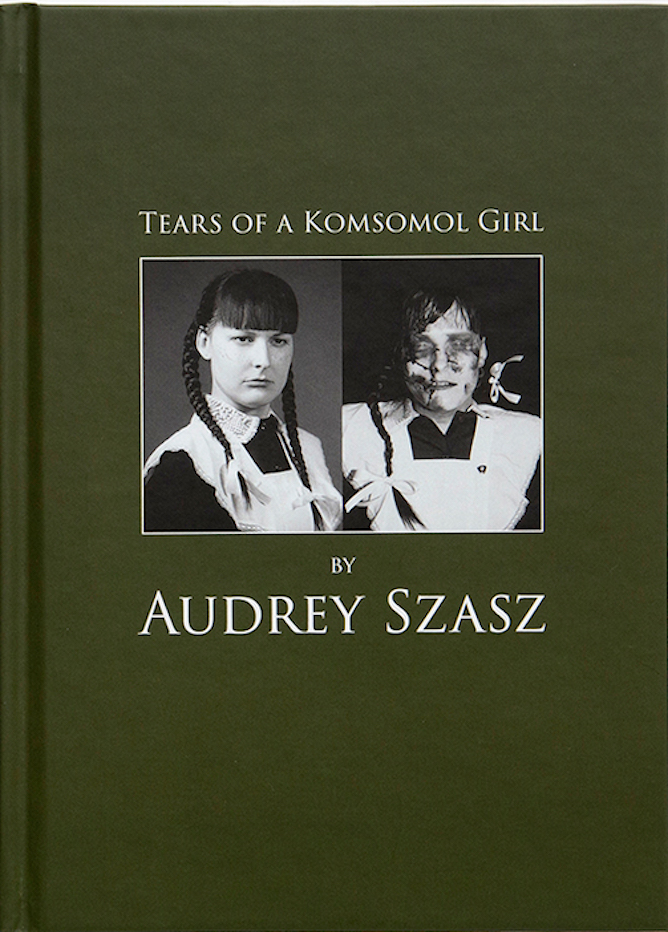
An experimental novel with photographs.
The plot revolves around a young female protagonist rebelling against her harsh upbringing by transgressing in various typical ways. She makes the perfect target of a notorious serial killer.
The author spends ample time describing the Brutalist cityscape of the USSR, which is a place she is familiar with. She hails from Vienna, but spent much time in Russia and other European locales before settling in England. The reason I picked up this book was because I read the author’s novella in the anthology Neo-Decadence Evangelion. Her use of language is impressive. Instead of figurative language, she relies more on stark, pristine sentences, often burdened by grotesque subject matter. On display is a fascination with the Ballard-esque dehumanizing sex and violence. In the appended interview she purports a fandom for Ballard’s Atrocity Exhibit. This work is predicated on a similar aesthetic. Its images are haphazard, but it steadily builds tension by getting into the protagonist’s head. Abuse is a recurring theme in her work, as evidenced by her other books, Counterillumination and Zealous Immaculate. So far, those works further diversify her style and approach. She favors unreliable narrators, often girls from a broken home or an abusive foster care system. I don’t think this says anything about the author’s own upbringing. In her interview, she talks about the mimesis and her stylistic devotion to playacting through her characters. The photographs may add to some readers’ squeamish reactions, staged though they are. I would have preferred actual crime scene footage to be interspersed, but I can foresee all kinds of issues with trying to publish those. The publisher is already pushing the envelope about as far as you will find nowadays.
She switches forms in this book several times, employing multiple perspectives. Unreliable narration is the norm. We are often not sure if the events depicted in such graphic detail are mere fantasies or reality. We see the same events repeated in different locales, the same rituals reenacted from differing angles. The author strives for verisimilitude, succeeding on every front to confront the ghastly details of the crimes with clinical attention.
A lot of subliminal cultural context is present between the lines, but the author’s intense focus on the extremes of human nature make for exciting reading. For a visceral experience, she can be counted on to deliver.
I am so curious about her collaboration with the superb author Jeremy Reed entitled, Plan for the Abduction of J. G. Ballard. I’m already reading some of her other work and look forward to what she puts out.
 L. S. Popovich
Leave a comment