
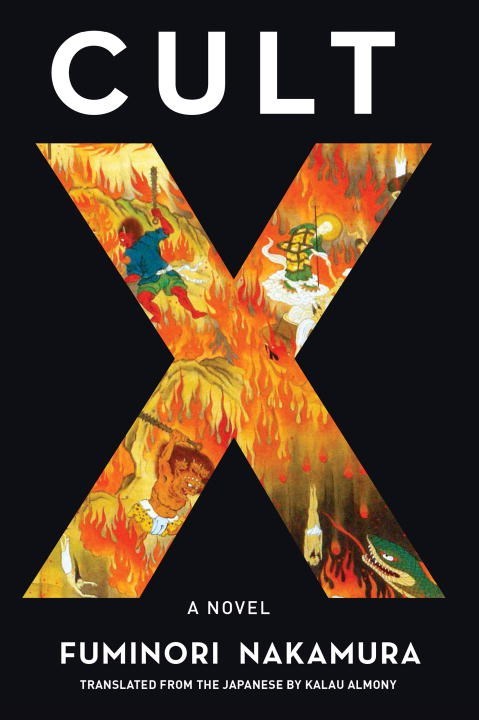
Fact-checking errors in this book:
The lecturer claims trillions of humans have died since the beginning of time. It’s actually around 117 billion.
The lecturer claims your body’s matter is 100% replaced through natural processes every year. It’s actually 5-7 years.
The lecturer says there are tens of millions of neurons in the brain. It’s actually 100 billion.
Strangely, he says the age of the universe is 1.3 trillion years old. It’s believed to be 13.7 billion years old. These numbers may have changed since the book was written, but the disparities are probably still wrong for their time. Kind of like how they used to believe dinosaurs were on site 12 million years ago, and then they pushed the date back to 64 million to suit the new evidence they unearthed. Seems like scientists have a tendency to adjust their findings and understanding of space in time periodically, when in reality, the people of the future will probably laugh at how inaccurate we were with our wild guesses. This book could be more clear on its stance about the role of fate in human lives. It commits to the billiard ball thesis, that the big bang set in motion every eventual particle in the universe on an unvarying path. Interesting, but then he goes on to say that consciousness, which is not understood or explained, enforces change on these particles, giving humans (and he believes orangutans?) free will. But he insists on the predestination, and sort of uses it as an excuse for human cruelty. Of course, there is additional discussion on the role of God in all this. The cult’s skewed perspective mesh with the author’s didacticism, resulting in disorganized philosophical meandering.
The book is messy, but interesting. Drawing connections between global politics, human behavior, lust, instinct, corruption, and nihilism. It’s misogyny makes Murakami’s writing look tame.
The characters operate within this sphere of interwoven conspiracy theories. The ultimate motivation of the cult is nebulous. But aren’t most cults simply about accruing power, status, followers? Could we then classify many other things in life as cults? The book posits that the slippery slope of belief in anything can lead to blind obedience and absurd levels of depravity.
The scenes are not compelling, but the narration can be engaging, spouting crackpot socio-economic theories and gruesome statistics. A novel that balks tradition yet encapsulates many of the author’s previously explored themes. I caught him reusing some of the same information from The Rope Artist and Evil and the Mask. I did not think the author’s base appeal to human deviance could be any more cringe than it was in those two novels, but it is astoundingly, bone-snappingly cringe here. In no way is this a ‘magnum opus.’ It is just twice as long as it should have been. Nakamura’s attempts at sympathetic characters make you question if it was necessary to make every character so despicable. Japanese readers, I have heard, are fond of reading on trains, but they always use cloth book covers to conceal the smut they are reading. Does this create a negative feedback loop? The more people hide what they read in Japan, the dirtier and more embarrassing Japanese literature becomes.
 L. S. Popovich
Leave a comment