
Not very impressive in every way.
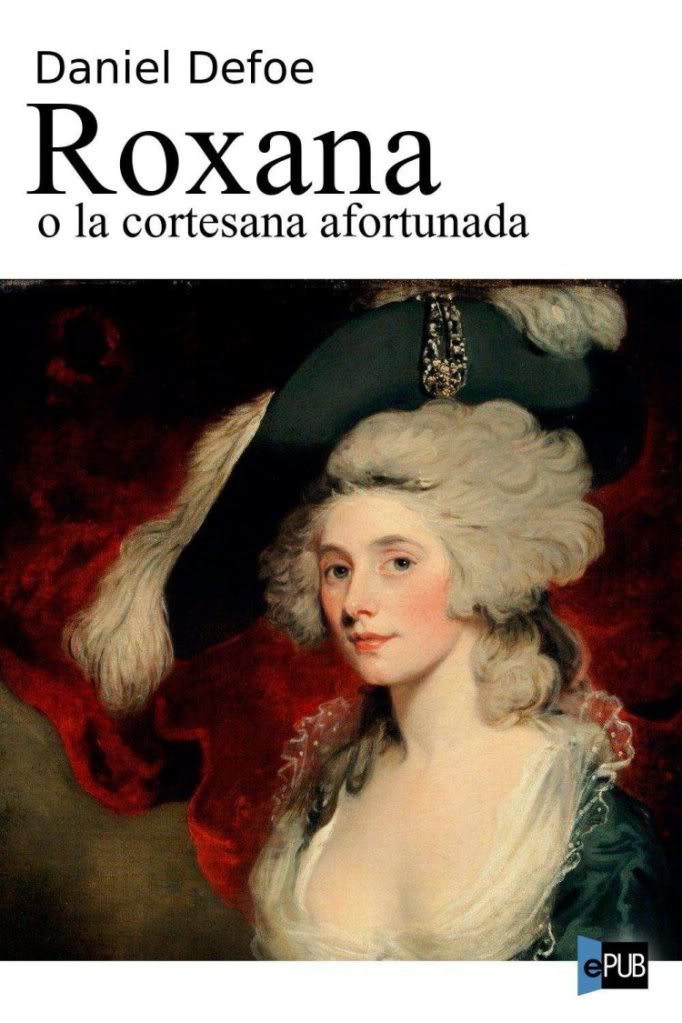
Roxana seems at times like a rewrite of Moll Flanders. The similarities are obvious. But the main issue is Defoe’s verbosity. It wouldn’t be so bad if it weren’t for the repetition. He often tells the reader things they should already know. Assumes the reader needs filling in on every nuance of cause and effect. For the historical tidbits, you’d be better served to check out his Journal of the Plague Year. Crusoe is required reading and the further adventures of Crusoe are definitely a good read. I greatly enjoyed Captain Singleton. But after a while, Defoe seems so quaint. Think of the adventure novels that came after, how tightly constructed they are nowadays. When it comes to plot and sentence craft, you can do a lot better than Defoe, even among the novelists of the Nineteenth Century.
During its era I bet people were entranced and floored by Roxana. But if you aren’t annoyed by the nonstandardized English spelling and slipshod grammar, you will be appalled at how entitled, pretentious and irritating his main character is. She is constantly bathed in attention and showered in pistoles. She sleeps around with whomever so much as glances at her suggestively, then complains to high heaven about her circumstances. Where could I have left my virtue? she constantly wonders. I seem to have misplaced my dignity, she thinks every step of the way.
Most women of Defoe’s time would’ve killed to live a few years in Roxana’s shoes methinks, to break out of the chains of their role. Defoe was banking on the escapist delusion that women could control their fate in that time and place. There is something to be said about how uncompromising Roxana becomes in the end, and about her self-awareness. But it goes on too long. Roxana actively sins into her fifties, still strutting about. It’s comical how easily she seduces princes. Money does grow on trees as far as she is concerned. The little segue from her so-called desperate upbringing to her absurd rise to a life of luxury was unconvincing.
As a didactic tale, I found it intolerable. I suppose it is pretty odd that Defoe wrote two novels from the first person perspective of a female character. Men did not often do that at that time. Was he one of the first to do so?
,
 L. S. Popovich
Leave a comment